
www.PapuaExpeditions.com
Homepage Copyright Contact us Sitemap

Papua birding hotspots

Where to go birding in Papua? In declining order of importance, its paramount centers of avian endemism are the isolated Arfak Mountains on the Bird's Head Peninsula, the oceanic twin islands of Biak-Supiori plus nearby Numfor in Geelvink Bay, the Snow Mountains along the central cordillera, and the Waigeo ophiolitic suite comprising the islands of Waigeo, Batanta and Kofiau in the Raja Ampat archipelago. Moreover, the vast expanses of lowland forest effectively isolated to the north and south of the central dividing range, harbor a presently still underestimated endemism component on a grander scale.

An extensive bird watching itinerary in Papua therefore ideally combines all these major avifaunal subregions. When restricted by time, however, we always recommend spending longer at fewer sites as this invariably turns out to be more rewarding. Exactly which destinations may then depend ultimately upon your particular interests, physical strength or personal taste of priority most-wanted species. Some of the better known birding destinations in Papua are briefly introduced below.

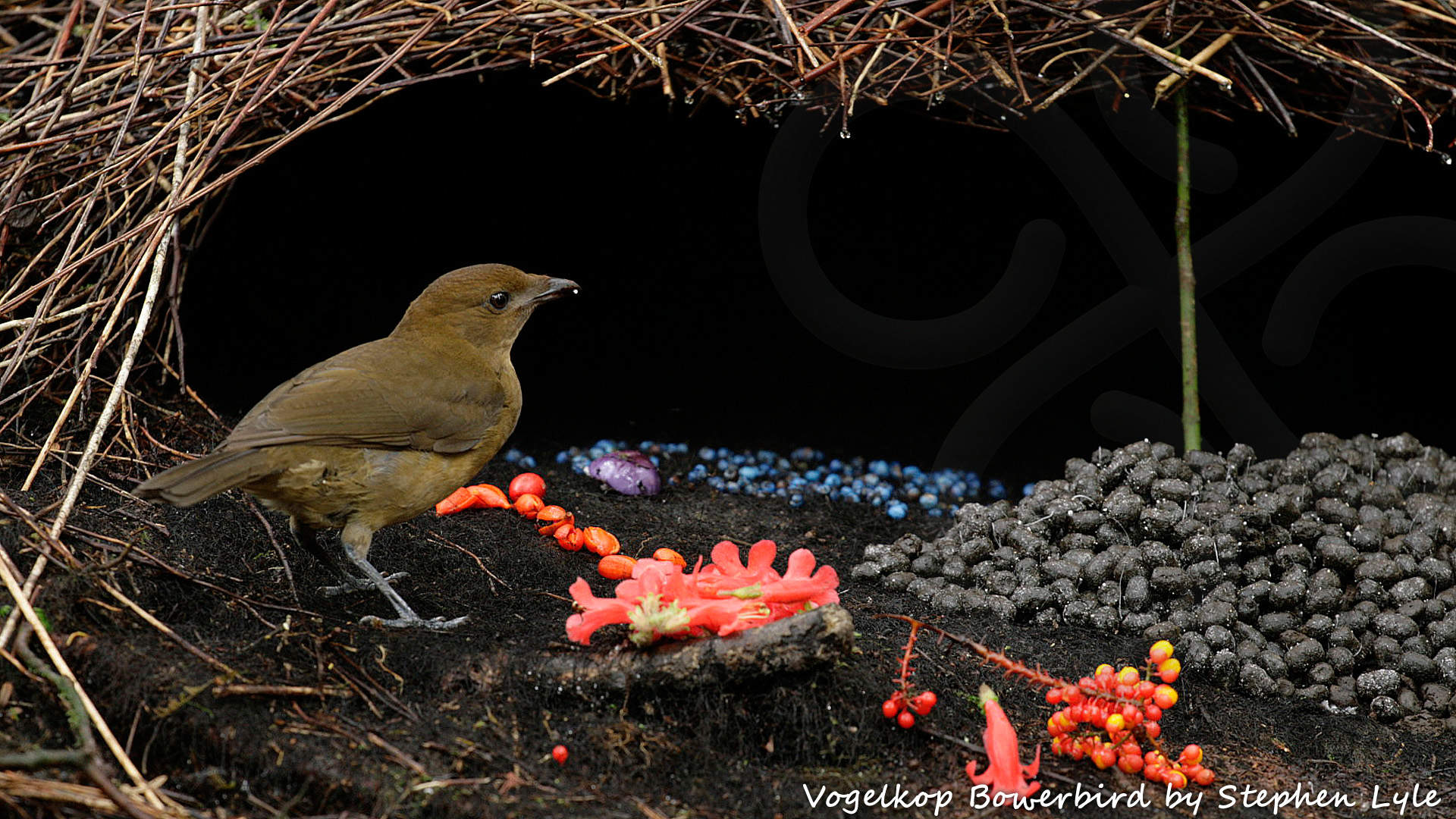
The magnificent bower of the Vogelkop Bowerbird Amblyornis inornatus surely must rank as one of Earth's greatest avian structures.

Arfak Mountains

This isolated and rugged mountain range in the eastern sector of the Bird's Head Peninsula is bound to become Papua's premier birding destination, boasting all presently described Vogelkop endemics and providing straightforward access to largely untouched foothill, hill and montane forests that support a varied avifauna.

Read more...

In Indonesian New Guinea the Emerald Dove Chalcophaps indica only managed to establish itself on species-poor oceanic satellite islands.

Geelvink Islands

The oceanic twin islands of Biak and Supiori in Geelvink Bay harbor the most highly endemic avifauna of any singular land area in the New Guinea region with 12 endemic taxa now widely accepted at the species level. Five of these are being shared with nearby Numfor Island which boasts its own endemic paradise-kingfisher.

Read more...

Mount Trikora or Wilhelmina is the second highest peak of New Guinea after Peak Jaya or Carstensz.

Snow Mountains

A superb selection of New Guinea's wonderfully diverse montane avifauna can be seen in the Wamena area of the Snow Mountains, the heartland of the Dani people, who cultivated the 80 km long and up to 20 km wide Grand Balim upland valley completely unnoticed by the outside world until as recently as 1938.

Read more...

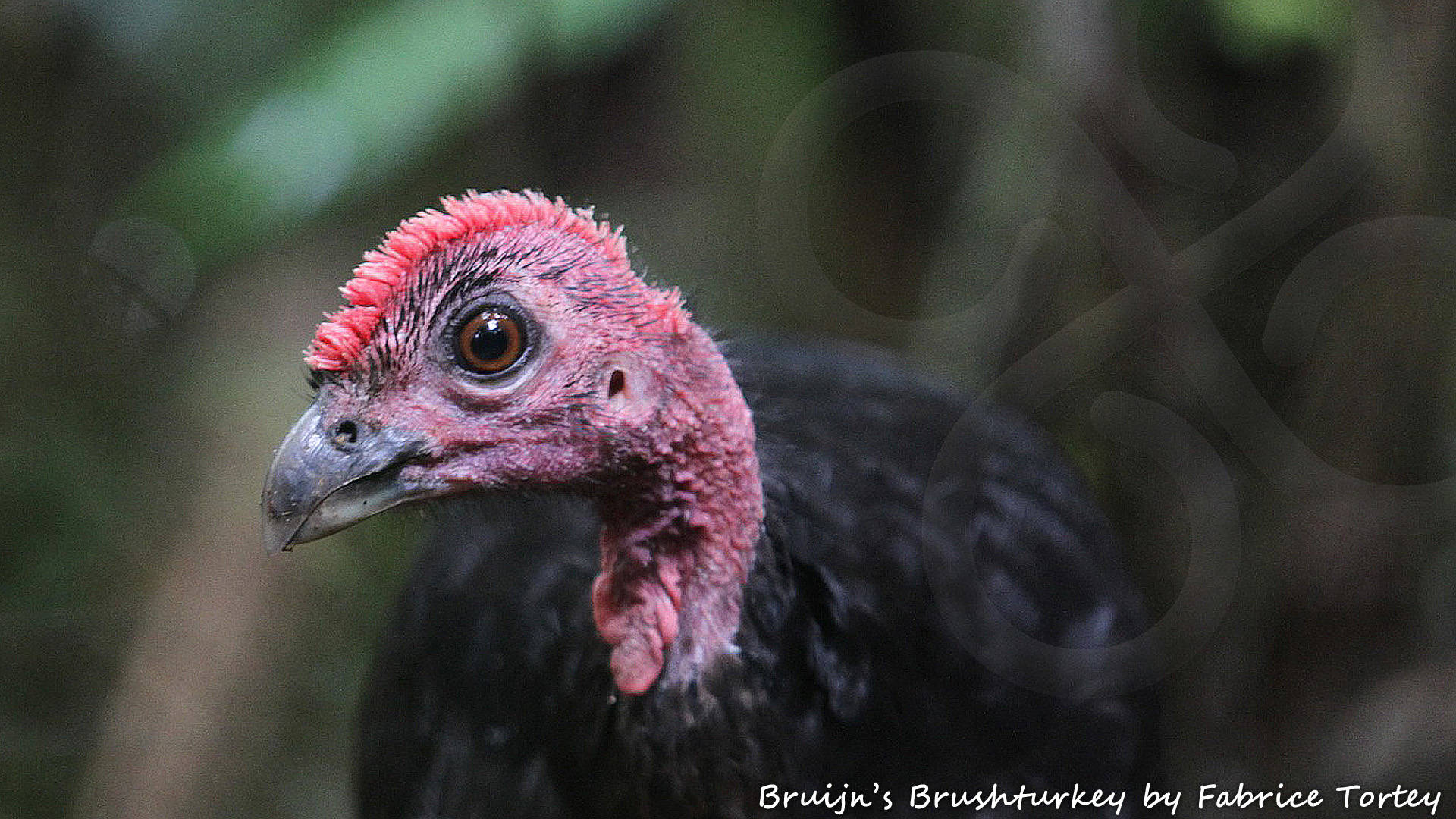
Bruijn's Brush-turkey Aepypodius bruijnii is among a suite of 42 cracking Papua endemics which occur only in Indonesian New Guinea and nowhere else on Earth. Copyright © Papua Expeditions/cv.Ekonexion and Charles Davies

Waitanta

At the northern end of the Raja Ampat archipelago, Waigeo and Batanta, once fused to a single landmass 'Waitanta', support a varied lowland and hill forest avifauna with a peculiar endemism component. Nearly mythical feathered life forms like Bruijn's Brush-turkey Aepypodius bruijnii, Wilson's Cicinnurus respublica and Red Bird of Paradise Paradisaea rubra all call Waitanta home.

Read more...

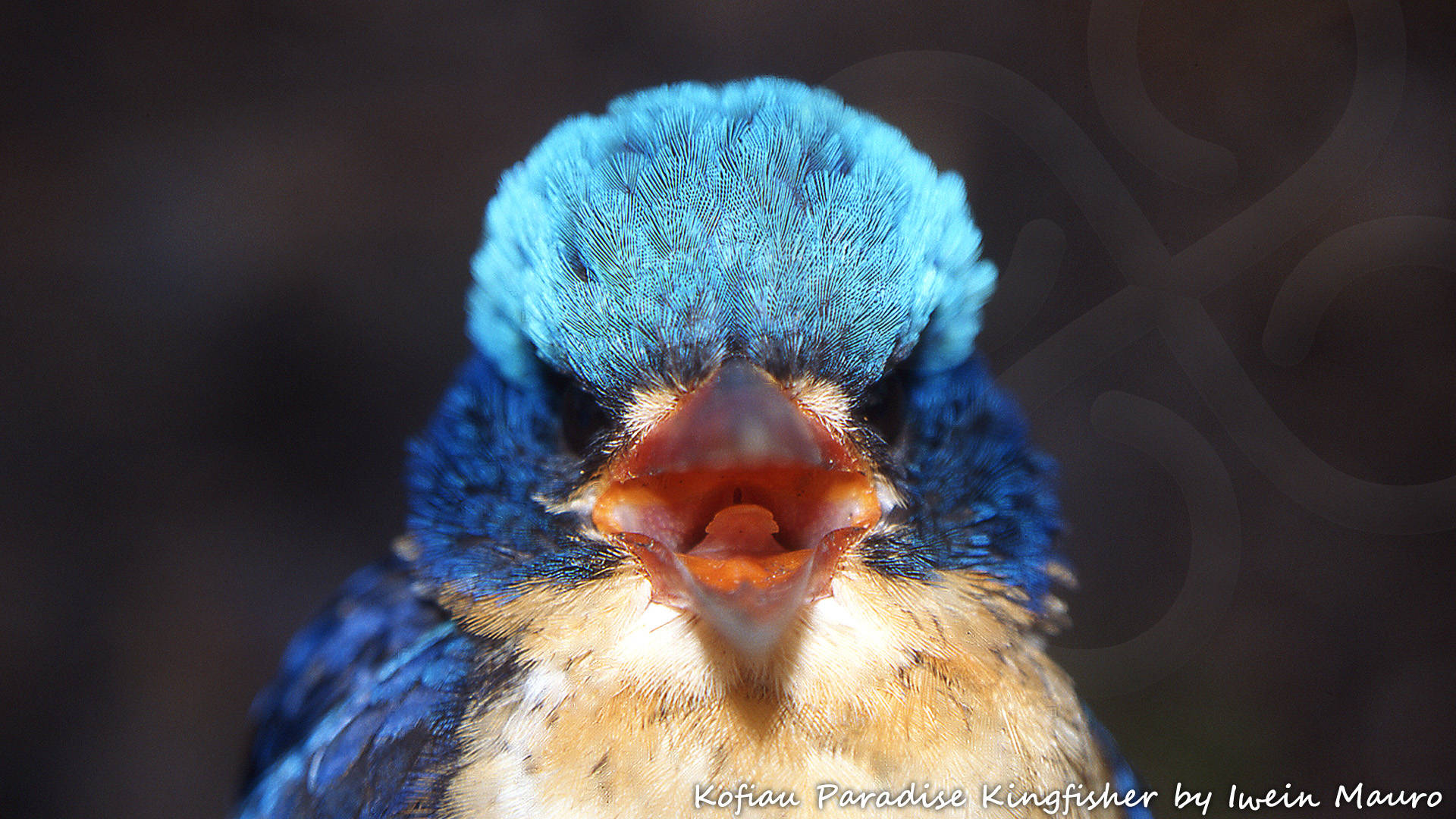
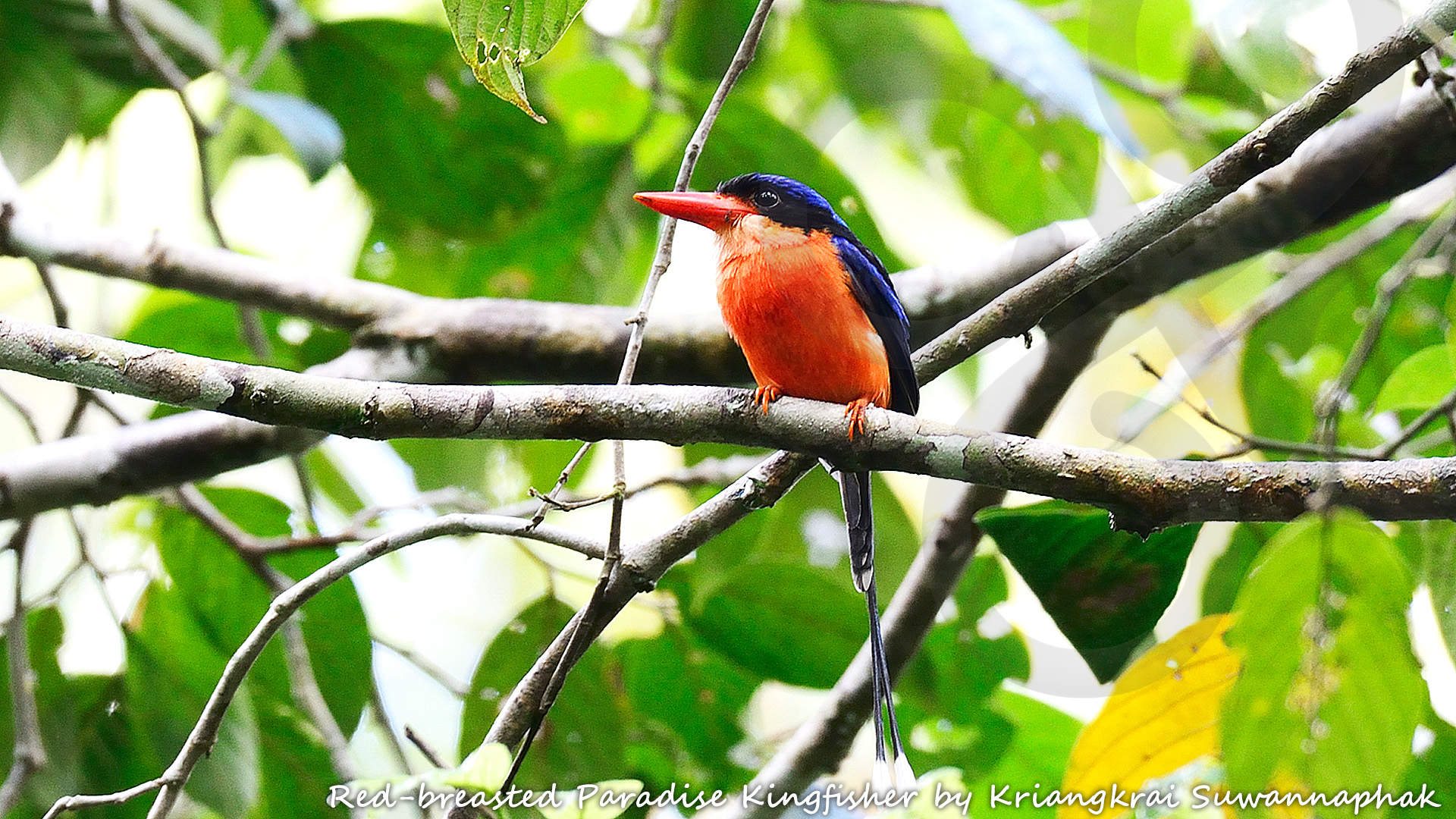
Kofiau Paradise-Kingfisher Tanysyptera ellioti is entirely confined to the Raja Ampat island of Kofiau where it is moderately common and readily seen.

Kofiau

Situated roughly mid-way between Halmahera and the Bird's Head Peninsula, still within the Raja Ampat group, this rarely visited oceanic island features a generally rather depauperate avifauna with a decidedly Moluccan influence, yet importantly also includes two endemic allospecies: the delightful Kofiau Paradise-Kingfisher Tanysiptera ellioti and the Kofiau Monarch Monarcha julianae.

Read more...

A youngster of the Northern Cassowary Casuarius unappendiculatus is a lucky encounter in the wild.

Northern lowlands

The vast flat alluvial lowland forests west of the Cyclops Mountains near Jayapura are an excellent place to secure a wonderful selection of New Guinea's northern lowlands specialties, including Victoria Crowned-Pigeon Goura victoria, actually the world's largest pigeon, and the little-known Pale-billed Sicklebill Epimachus bruijnii.

Read more...

Open savanna woodlands in the Trans-Fly region of southern New Guinea may have an anthropogenic origin.

Trans-Fly and Wasur NP

Many key birds of New Guinea's southern lowlands, including the delightful Southern Crowned-Pigeon Goura scheepmakeri and the Greater Bird of Paradise Paradisaea apoda, can be seen in and around the famous Wasur National Park near Merauke, which supports a variety of wetlands, savanna and monsoon forest types, and is a haven for staging and wintering waders and waterfowl.

Read more...

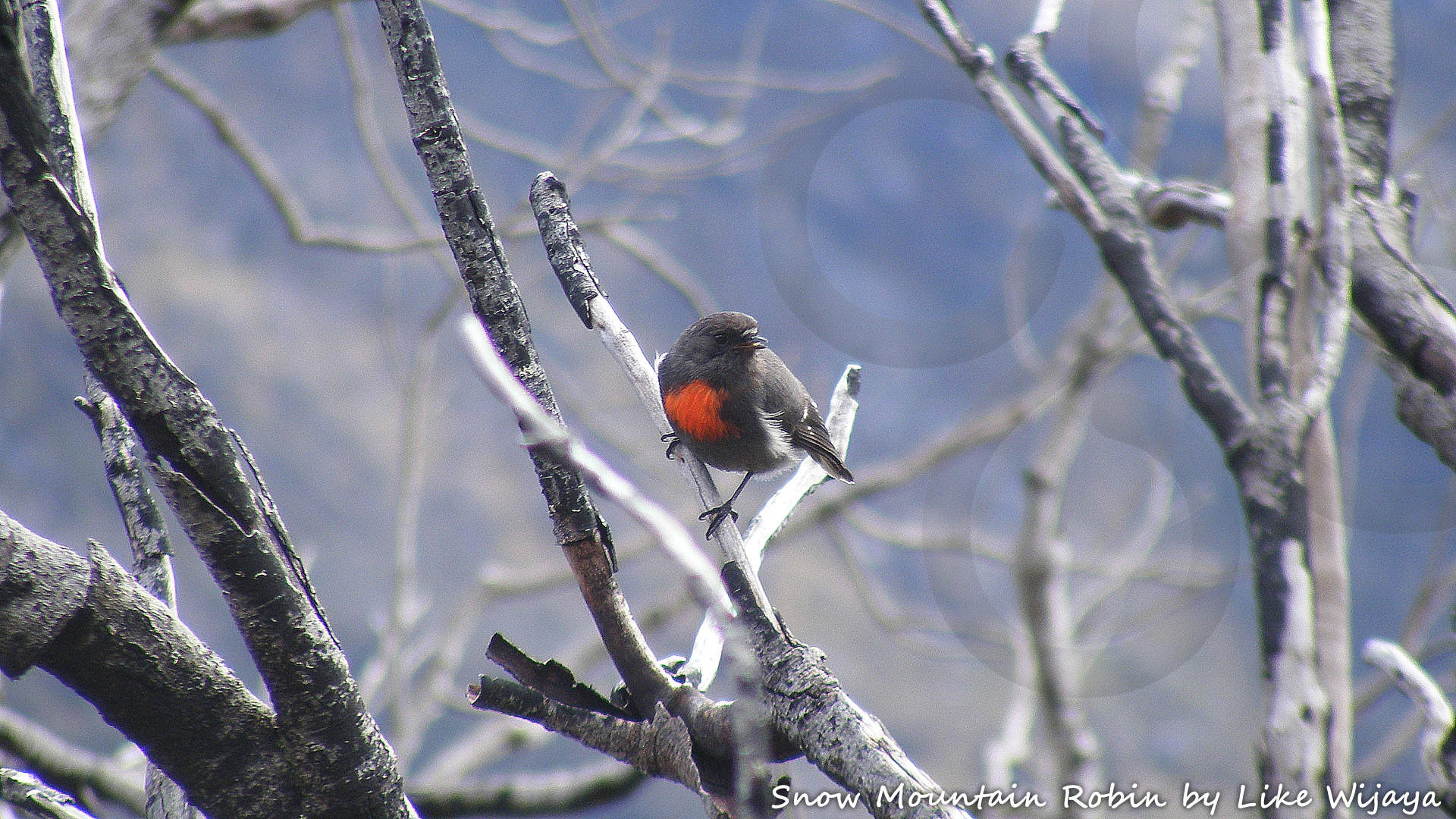
Mottled Whistler Rhagologus leucostigma represents a monotypic bird genus endemic to the mountains of New Guinea.

At early morn,
before the sun has risen,
we hear a loud cry of "Wawk—wawk—wawk, wok—wok—wok",
which resounds through
the forest, changing its direction continually.
This is the Greater
Bird of Paradise

going to seek his breakfast.
Others soon follow
his example; lories and parroquets cry shrilly, cockatoos scream, kingfishers croak
and bark, and the
various smaller birds chirp and whistle their morning song.
As I lie listening to these interesting sounds, I realize my position as the first European who has ever lived for months together in the Aru Islands, a place which I had hoped rather than expected ever to visit.
I think how many besides myself have longed to reach these almost fairy realms, and to see with their own eyes the many wonderful and beautiful things which I am daily encountering.
[A. R. Wallace, 1869]

Copyright © 2005-2008 Papua Expeditions/cv.Ekonexion • Best browsed with IE 7.0